How to keep your hydraulic cylinder running smoothly?
How to keep your hydraulic cylinder running at a high level in the face of some heavy-duty applications, harsh environments and long-term continuous use?
The best way to do this is with Regular Inspections and Preventive Maintenance, which can help you avoid costly breakdowns and spot problems quickly when they arise.
Periodic inspections should include:
* Test hydraulic oil and filters for contamination.
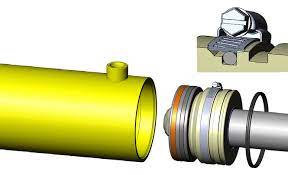
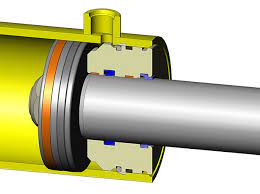
* Check all seals, piston rods and other components for wear.
* Check other accessories that need to be replaced.
* Check whether the sound and temperature of the hydraulic cylinder are abnormal during operation.
* Ensure that no side load occurs on the hydraulic cylinder during use.
Preventive Maintenance Tips for Hydraulic Cylinders
Always prepare a clean and orderly workspace before replacing parts or beginning any hydraulic cylinder maintenance. Keep your hydraulic cylinders in top operating condition with the following preventive maintenance procedures for hydraulic cylinders.
Lubricate the hydraulic cylinder rod
As part of routine maintenance, lubricating hydraulic cylinder rods can increase the efficiency of your equipment and help avoid rust or pitting. It’s a simple process that can be done in just a few steps.
Determine which lubricant is best for your equipment.
Clean and remove old or existing lubricant before applying new oil or grease.
Flush your hydraulic system.
Apply new lubricant.
Reassemble the hydraulic cylinder.
Proper maintenance of hydraulic oil
Since most hydraulic cylinder failures are a direct result of contamination, maintaining hydraulic fluid cleanliness is critical.
One of the first lines of defense in controlling hydraulic oil contamination is to make it more difficult for particles to enter the system while removing any particles that are already present. Several ways to keep hydraulic fluid clean include, but are not limited to:
Install, inspect and maintain all component seals.
Upgraded filters to capture smaller particles.
Make sure the filter is equipped with a gauge or switch to indicate clogging.
Repair or replace worn parts
By following a good preventative maintenance procedure, keeping your hydraulic cylinders filled with clean fluid at the proper temperature and equipped with functional components, your hydraulic cylinders will provide years of reliable service and your hydraulic system will maintain high performance!
However, no matter how hard you try to clean and maintain your hydraulic cylinder, the hydraulic cylinder and its accessories can wear out or become damaged during normal use and may therefore require repair, replacement or upgrade.
These accessories may include:
Cylinder heads
End caps
Mounts
Pistons
Ports
Seals
Rotate or alternate heavy duty hydraulic cylinders
Downtime dedicated to hydraulic cylinder maintenance may not be possible for some equipment. By maintaining a spare set of cylinders, you can continue to operate without interruption while performing necessary hydraulic cylinder maintenance. Even in harsh conditions, this interruption of continuous use can keep your cylinders in good condition for longer, creating time and space for necessary testing, inspections or parts replacement.